
Summary
Unusual weight loss, persistent fatigue, and changes in eating habits can signal nutritional concerns in your aging parent. Understanding the signs of malnutrition in older adults helps families identify problems early and explore appropriate support options before everyday challenges become harder to manage.
- Unexplained weight loss, reduced strength, slow-healing wounds, and persistent fatigue are key physical warning signs requiring medical evaluation.
- Forgetfulness about meals, mood changes, and reduced motivation to cook or shop may indicate nutritional struggles or other health concerns.
- Dental discomfort, medication side effects, difficulty shopping, and isolation can all contribute to poor eating habits in older adults.
- Community dining and shared mealtimes help restore enjoyment around food while simplifying grocery shopping, cooking, and meal preparation responsibilities.
- Start with a supportive conversation, track eating patterns, arrange a medical evaluation, and explore practical support options like meal delivery or senior living.
If your parent seems more tired than usual, has lost weight, or no longer enjoys meals they once loved, these changes deserve attention.
While it may seem like a natural part of aging, but these habits and differences can also point to nutritional concerns. Recognizing the signs of malnutrition in older adults can help families identify problems early and seek appropriate support.
Poor nutrition in older adults can develop gradually, especially when changes in appetite or eating habits go unnoticed. If you're worried about an aging parent not eating enough, understanding the physical, emotional, and practical factors behind these changes is a helpful first step.
Physical Signs of Malnutrition in Older Adults
Unexplained weight loss is one of the most noticeable warning signs. Perhaps your parent's clothes fit more loosely, or their wedding ring has become too large. Even small changes deserve attention, particularly when weight loss occurs without an intentional change in diet.
Other physical symptoms may be less obvious. Watch for:
- Reduced strength: Difficulty climbing stairs, carrying groceries, or completing familiar household tasks.
- Changes in appearance: Dry skin, brittle nails, thinning hair, or wounds that seem slow to heal.
- Persistent fatigue: Unusual tiredness, weakness, or difficulty maintaining normal daily routines.
- Changes in balance: Increased unsteadiness or difficulty moving around comfortably.
These symptoms can have several causes beyond nutrition. A healthcare professional can help determine whether dietary deficiencies or another condition may be responsible.
Behavioral Changes When a Parent Stops Eating Properly
Physical symptoms aren't the only concerns. When a parent stops eating properly, changes in mood, motivation, and daily habits may also become noticeable.
Your loved one might begin skipping meals, leaving food untouched, or losing interest in cooking. Someone who previously enjoyed preparing family dinners may suddenly find the process exhausting.
Emotional and Cognitive Warning Signs
Some senior malnutrition warning signs involve changes in behavior rather than appearance. These may include:
- Forgetfulness: Missing meals, forgetting whether they've eaten, or struggling to follow familiar recipes.
- Mood changes: Increased irritability, sadness, or withdrawal from conversations and social gatherings.
- Reduced motivation: Finding grocery shopping, cooking, or cleaning up after meals increasingly difficult.
These changes don't automatically indicate malnutrition. However, they can help families recognize when additional support or a medical evaluation may be needed.
Why Older Adults May Struggle With Proper Nutrition
Understanding why eating habits change is important when detecting malnutrition in seniors. Often, several factors contribute to the problem.
Physical and Medical Challenges
Dental discomfort, swallowing difficulties, and changes in taste or smell can make meals less enjoyable. Certain medications may also affect appetite or cause nausea.
Chronic health conditions sometimes require dietary adjustments that make familiar foods less appealing. If your parent has recently changed medications or developed new symptoms, discussing their appetite with a healthcare professional is worthwhile.
Social and Everyday Challenges
Living alone can also influence eating habits. Preparing a full meal for one person may feel unnecessary, especially when cooking has become physically demanding.
Limited transportation, difficulty shopping, or concerns about grocery costs can further complicate healthy eating. For some older adults, sharing meals with others makes eating a more enjoyable part of the day.
How Senior Living Can Support Better Eating Habits
For families concerned about nutrition, senior living communities may offer a practical alternative to managing every meal at home.
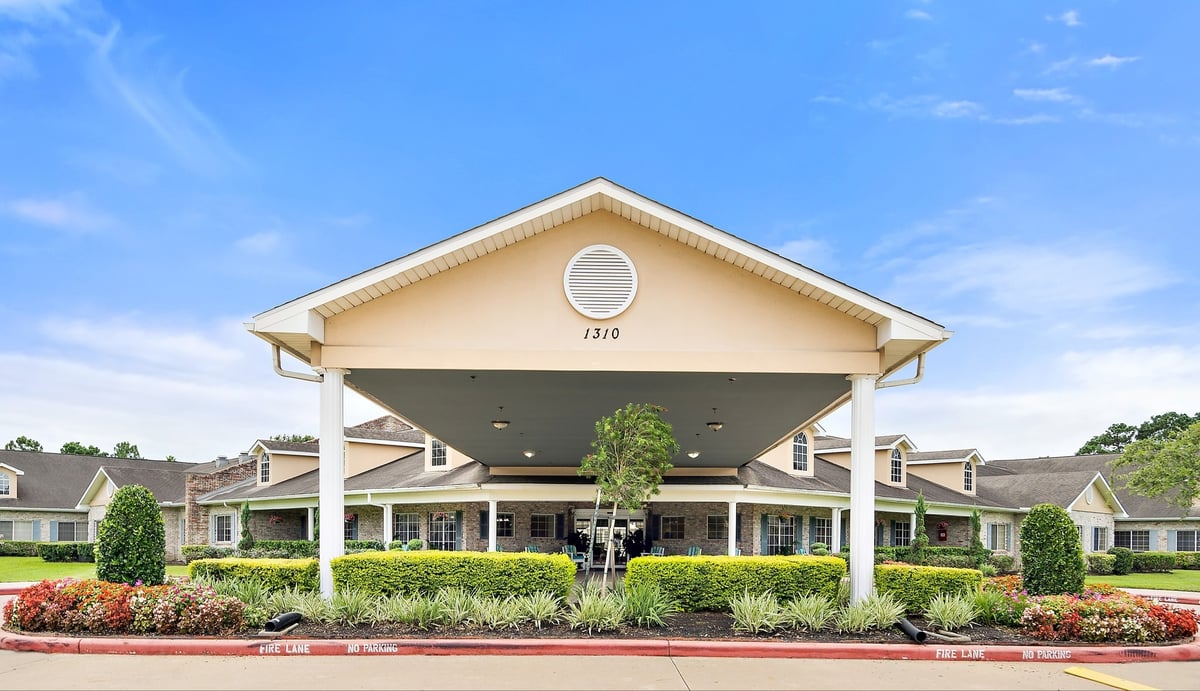
Morada Friendswood in Friendswood, TX, offers Active Independent Living, Assisted Living, and GLOW® Memory Care, giving families options based on their loved one's daily needs.
Community dining can help simplify everyday routines by reducing the responsibilities associated with shopping, cooking, and cleanup. Regular meals also provide opportunities for conversation and companionship.
The Value of Shared Mealtimes
Enjoying meals with neighbors can make dining feel less like another household task and more like a welcome daily occasion.
For someone who has gradually lost interest in cooking, having meals prepared and opportunities to socialize may help restore enjoyment around food. Families should also ask how individual dietary needs and preferences are accommodated.
What to Do if Your Parent Isn't Eating Enough
If you're concerned about your parent's nutrition, begin with a supportive conversation. Ask whether they're experiencing discomfort, struggling with grocery shopping, or simply finding meals less appealing.
A few practical steps can help:
- Arrange a medical evaluation: Discuss weight changes, appetite concerns, medications, and possible underlying conditions with their healthcare provider.
- Track eating habits: Keep a short record of meals, snacks, and fluids to identify patterns worth discussing with a professional.
- Explore everyday support: Consider grocery assistance, meal delivery, shared family meals, or senior living options that simplify food preparation.
Avoid pressuring your parent to eat. Instead, involve them in conversations about their preferences and what might make mealtimes easier.
Supporting Your Parent's Nutrition at Morada Friendswood
Recognizing nutritional concerns early allows families to explore solutions before everyday challenges become harder to manage. Whether your parent needs occasional help with groceries or more consistent assistance, the right approach should reflect their preferences and circumstances.
At Morada Friendswood, residents can enjoy a welcoming community atmosphere, opportunities for companionship, and living options suited to different needs. Shared dining experiences can also make mealtimes more convenient and enjoyable.
Schedule a tour of Morada Friendswood today to explore our living options, learn more about the dining experience, and discover how community living may help your loved one enjoy a more comfortable daily routine.